Lanham Lane Planning Application

The Planning Inquiry which considered the application by Kler to build 188 house on the field adjacent to Lanham Lane was concluded in early November. We expect the Inspector to report early in the New Year.

The TDNG was part of the local team representing residents’ views at the Inquiry. We gave evidence on the impact of development on the local ecology and the harm that would be done to a valued landscape. Others from our team set out the consequences of development for drainage of the field and the local impact of greater road traffic from the scheme. The evidence also drew attention to the difficulties residents would face if they wanted to walk or cycle to local facilities, as well as the impact of the loss of the No.4 bus.

The City Council also put up a good case on both landscape and whether there was a need for development at this site, as well as challenging the applicant on many other aspects of their proposals. The Inspector has certainly heard the strong views of local residents on these proposals, backed by robust evidence on several fronts. Let us hope she gives that due weight in reaching her decision.
Verges update

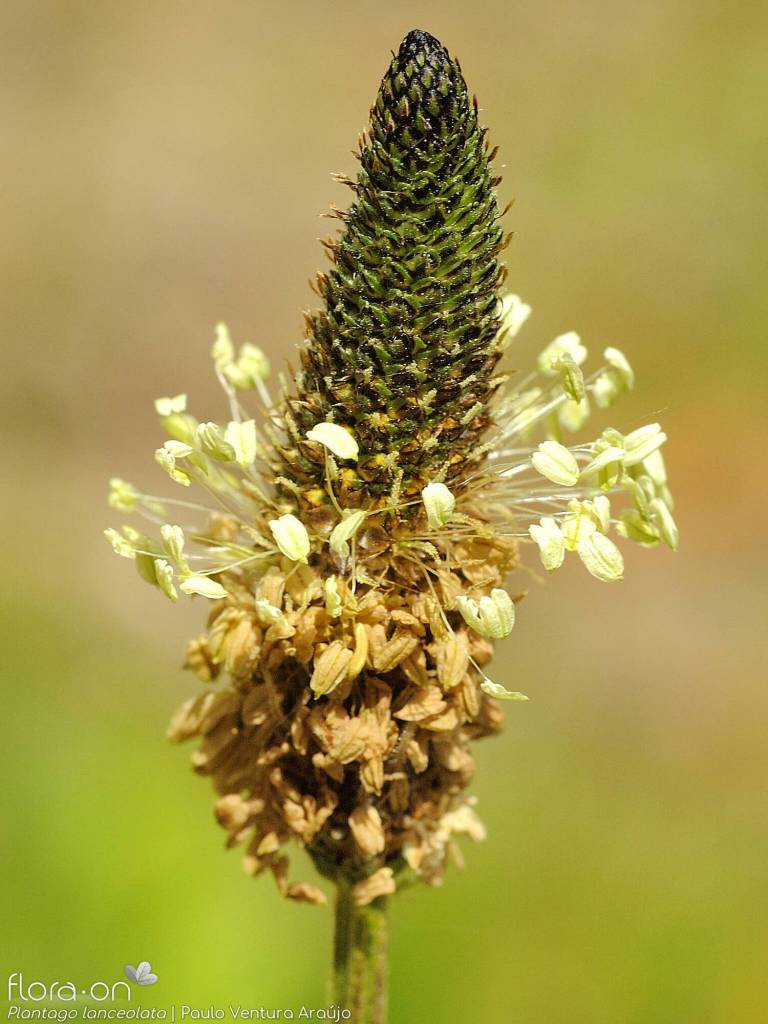
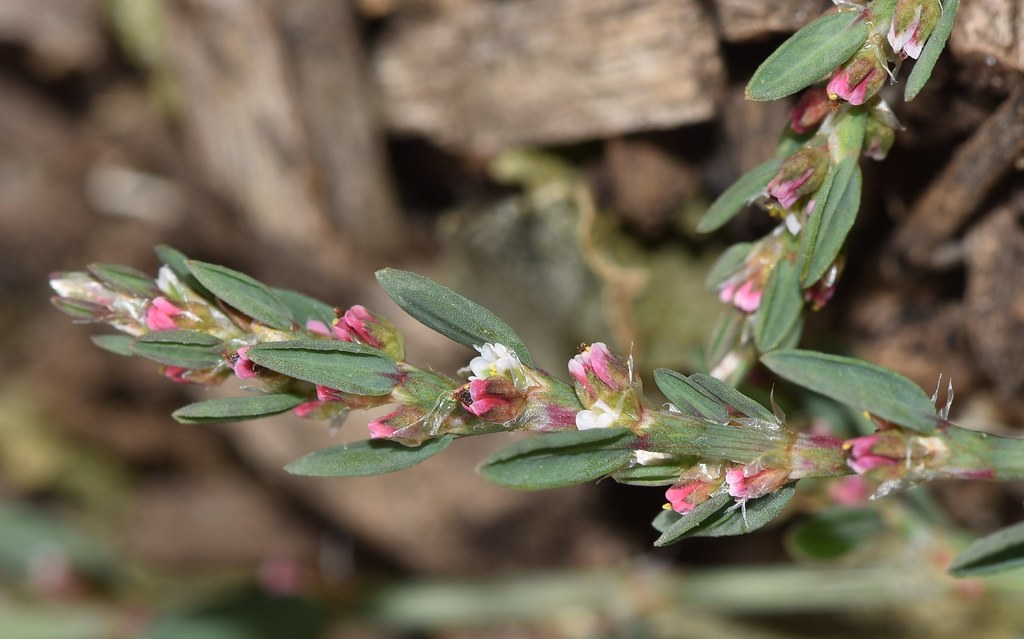
We are maintaining this corner, to let it grow with more biodiversity. We did a survey at the end of the growing season, and found a surprising variety of wild plants on this little plot on the corner of Teg Down Meads; over 40 different species were identified! Some of the most common were Ribwort Plantain, Common Knotgrass, and Dandelions, all of which are great for pollinators and hardy enough to thrive in tough roadside conditions.

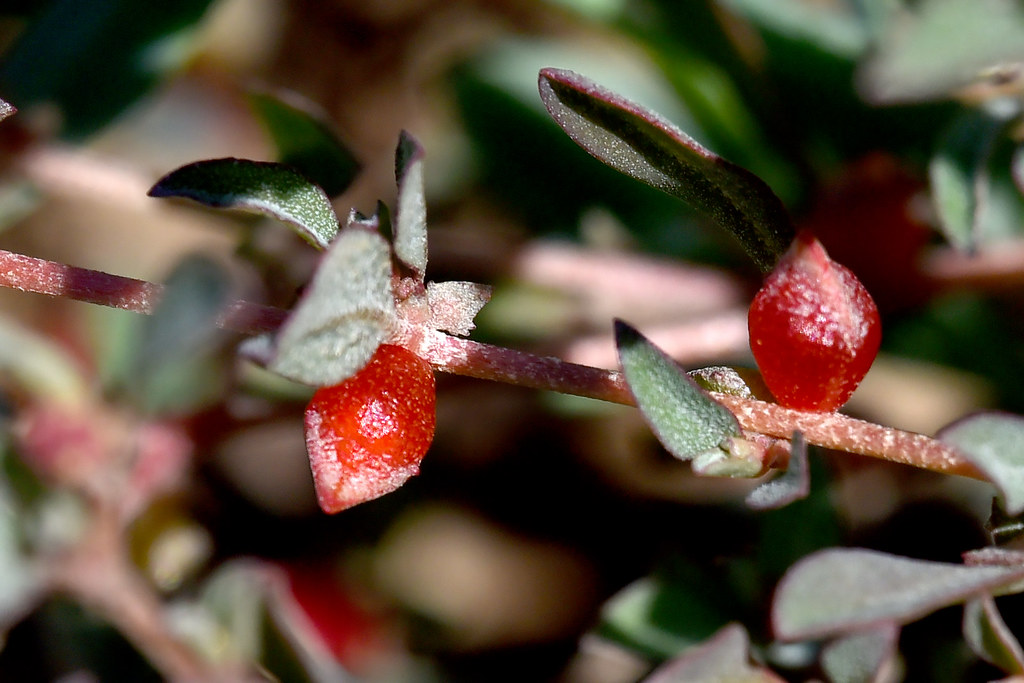
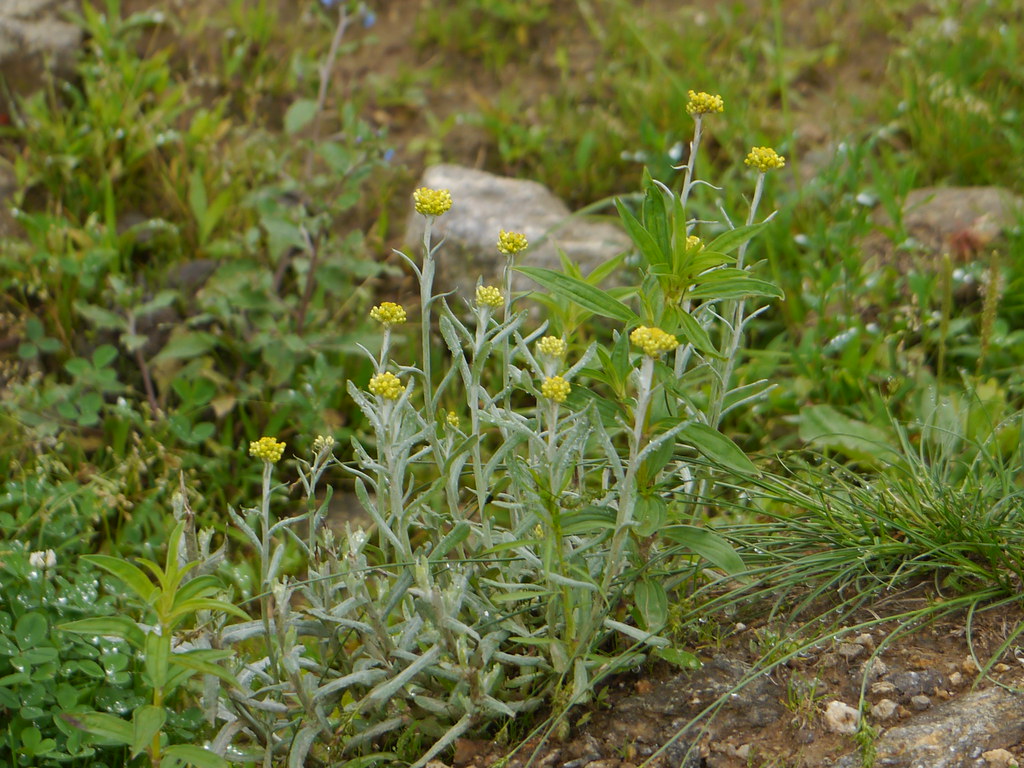
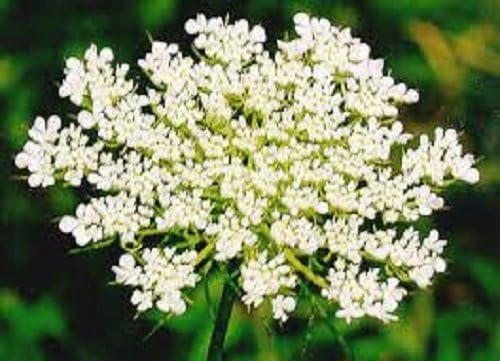
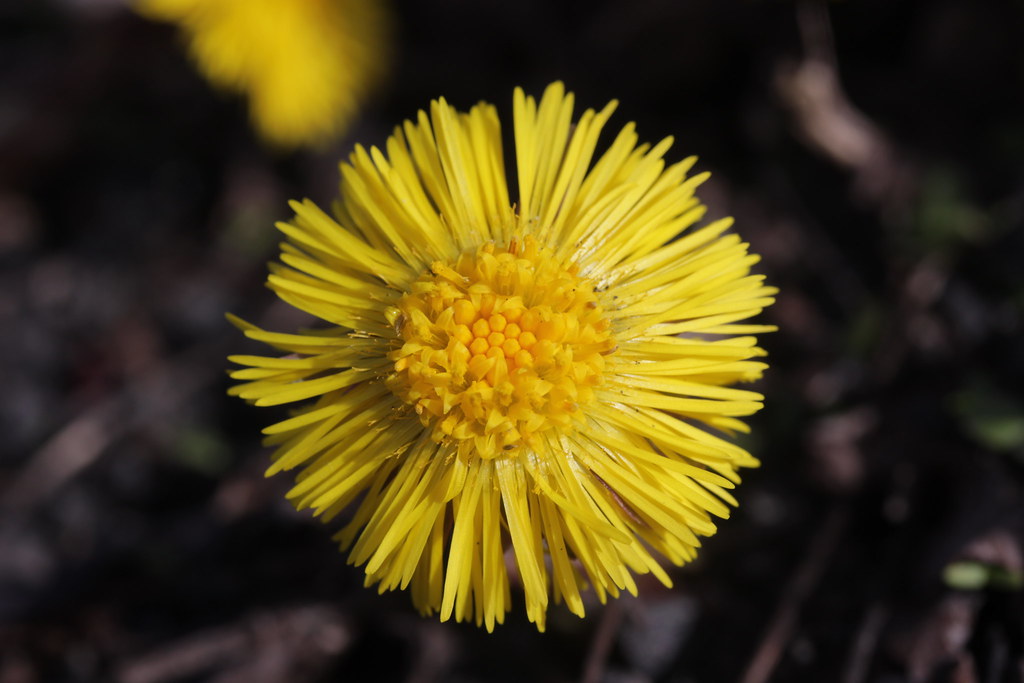
We also spotted some more unusual plants like Jersey Cudweed, Wild Carrot, and Coltsfoot, exciting finds that suggest the verge is supporting a wide range of wildlife. Creeping Saltbush and Saltbush were also interesting, these salt-tolerant plants often grow in places affected by road grit or runoff.

Letting these areas grow wild boosts biodiversity, helps bees and butterflies, and creates little pockets of nature right on our doorsteps.

Interesting species of plants we found:

TDNG Response to Lanham Lane Appeal

Planning Application Reference: 24/02737/OUT
Appeal Reference: APP/L1765/W/25/3367467

In July 2025, the Teg Down Nature Group submitted a formal response to the Planning Inspector in relation to the appeal concerning land west of Lanham Lane. While we had already submitted an objection earlier this year, this updated submission focuses on new evidence – particularly the implications of Hampshire’s draft Local Nature Recovery Strategy (LNRS).

Our Concerns

We maintain our strong objection to the proposed development, which threatens an area of grassland and valuable habitat identified in the LNRS as important for restoring Hampshire’s biodiversity.

Our response is supported by the findings of a trained ecological consultant and draws on local plant surveys carried out by TDNG volunteers. These found over 50 species of grasses and wildflowers in the site’s south-west corner, demonstrating the area’s natural regeneration into species-rich calcareous grassland – a priority habitat in the LNRS.

Key Points from Our Submission

  • No adequate ecological survey has been provided by the Applicant. Their assessment lacks sufficient data on species present and ignores the likely effects of development on wildlife and habitats.
  • The south-west corner of the site is already rewilding. Plans to convert it into a play area and open space would damage this natural regeneration.
  • The site is close to Crab Wood SSSI and LNR, increasing the risk of ecological disruption.
  • The LNRS highlights the importance of preserving farmland and hedgerows. These are vital habitats that will face additional pressure from human activity if development proceeds.

We support the conclusion of Winchester City Council’s assessment that this proposal would result in the loss of priority habitat and would be harmful to protected species.

In Summary

The Teg Down Nature Group urges the Planning Inspector to reject this appeal. The proposed development conflicts with Hampshire’s own nature recovery goals and risks destroying a rare example of successful natural regeneration.

For more information or to get involved in our work, please contact us or join our mailing list.

Simon Eden
Chair, Teg Down Nature Group
simoneden@btinternet.com
16 July 2025